April 6, 2025 • Business • by Reina Ohno
Hospitals in Indonesia: A Complete Medical Guide for Expats and Business Travelers

Table of Contents
Introduction: Navigating Indonesia’s Healthcare Landscape
For Japanese expats, business owners, and long-term residents, understanding Indonesia’s medical system is crucial for a safe stay. While healthcare quality varies significantly between urban and rural areas, major cities like Jakarta, Surabaya, and Bali offer international-standard facilities. This guide provides a deep dive into hospital quality, insurance systems (BPJS), and practical tips for navigating medical needs in Indonesia.
Quality of Medical Care in Indonesia

Professional Standards of Doctors and Nurses
Medical education in Indonesia is centered around top-tier institutions such as the University of Indonesia (UI) and Gadjah Mada University (UGM). While urban private hospitals boast highly skilled specialists, there is a noticeable disparity in clinical experience and strictness compared to Japan or Western nations.
-
Communication: English-speaking staff are common in major private hospitals, but Indonesian (Bahasa Indonesia) remains the primary language in public and regional facilities.
Advanced Medical Equipment and Technology
Top private hospitals in Jakarta and Surabaya are equipped with modern diagnostic tools like MRI, CT scans, and cardiac catheterization labs. However, maintenance standards can vary, and cutting-edge treatments like robotic surgery are currently limited to a few elite institutions.
Addressing Infectious and Tropical Diseases
Indonesian hospitals have extensive expertise in treating local diseases such as Dengue Fever, Typhoid, and Malaria. Early diagnosis is key; for Dengue, specialized inpatient care focuses on platelet management and hydration, ensuring a swift recovery.
Public vs. Private Hospitals: Which Should You Choose?

Indonesia categorizes hospitals from Class A to D based on their facilities. For expats, the choice between public and private is clear:
-
Private Hospitals (Recommended): These offer VIP wings, international patient coordinators, and high-end amenities. They are the preferred choice for the middle class and expatriates.
-
Public Hospitals (RSUD): While more affordable, they often face overcrowding and long wait times.
-
The “VIP” Gap: Even the Indonesian Minister of Health has highlighted the service gap, noting that high-income earners often migrate from public to premium private hospitals like Pondok Indah Hospital for better care and efficiency.
Insurance and Medical Costs: JKN (BPJS) and Private Plans
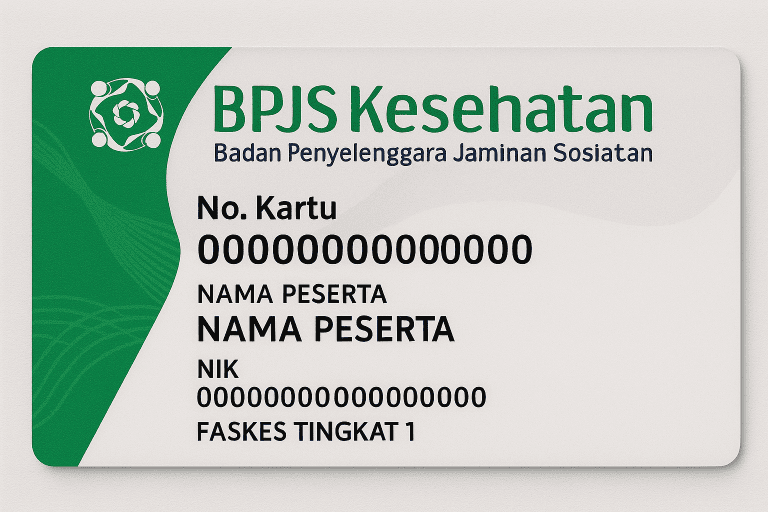
Understanding JKN (BPJS Kesehatan)
Expats working in Indonesia for more than six months are mandated to join BPJS, the national health insurance.
-
Pros: Significantly reduces costs at public facilities.
-
Cons: Requires a rigid referral system starting from local clinics, often resulting in long delays for specialists.
The Necessity of Private Medical Insurance
Most Japanese expats rely on private international insurance or corporate health plans. These allow for:
-
Cashless Treatments: Available at premium clinics like J-Clinic (Pondok Indah).
-
Direct Access: Skip the referral system and see specialists immediately.
-
Medical Evacuation: Essential for critical cases requiring transfer to Singapore or Japan.
Regional Hospital Guide: Jakarta, Surabaya, and Bali
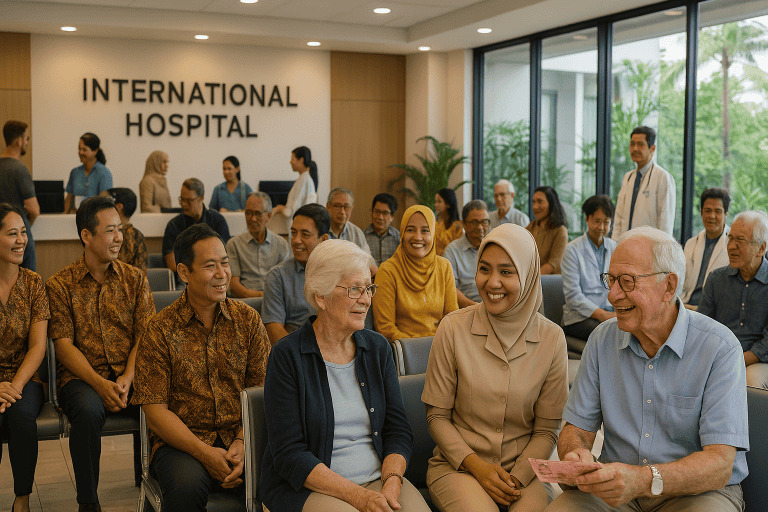
Jakarta: The Hub of Premium Care
-
RS Pondok Indah (RSPI): Features the J-Clinic, specifically designed for Japanese patients with Japanese-speaking medical teams.
-
RS Premier Jatinegara/Bintaro: Highly rated for emergency services and cardiology.
-
Siloam Hospitals Group: The largest private network with modern facilities across the city.
Surabaya: Excellence in East Java
-
RS Premier Surabaya: Preferred by expats for its high clinical standards and English-speaking staff.
-
National Hospital Surabaya: Known for its advanced technology and comfortable VIP suites.
Bali: Medical Tourism and New Horizons
-
BIMC (Kuta/Nusa Dua): The go-to for tourists and expats, offering 24/7 emergency care and international insurance coordination.
-
Bali International Hospital (Opening 2025): A government flagship project in Sanur, partnering with the Mayo Clinic to provide world-class oncology and cardiology.
Medical Facilities in Surabaya: The Hub of East Java

Surabaya offers a range of medical facilities, from massive public education hospitals to high-end private institutions catering to international residents.
Top Public Hospital: RSUD Dr. Soetomo
As the primary public hospital in Surabaya and a teaching facility, Dr. Soetomo is massive, with over 22 specialty clinics and 500+ beds. While it offers 24-hour emergency services at a low cost, it is rarely used by expats due to long wait times and language barriers.
Leading Private Hospitals for Expats
-
RS Premier Surabaya: Renowned for its high medical standards, efficient emergency response, and English-speaking staff. It is a top choice for the international community.
-
RS Husada Utama: Located in the city center, this large-scale hospital houses over 100 specialists and modern diagnostic equipment.
-
National Hospital Surabaya: Situated in an upscale residential area, this modern facility offers advanced technology and a luxury inpatient experience, often catering to medical tourists.
-
Mayapada Hospital Surabaya: A newer facility (opened in 2019) with a strong reputation for emergency cardiac and stroke care.
Pharmacies and Medication: Availability and Safety

-
Ease of Access: Pharmacies like Apotek K-24 operate 24/7.
-
Prescriptions: While some medications are sold over-the-counter, it is safer to obtain a prescription from a hospital pharmacy to ensure authenticity.
-
Compatibility: Most Japanese medications have local equivalents. Use the generic/chemical name (e.g., Loxoprofen) when consulting a local doctor.
Key Differences: Japan vs. Indonesia

-
Payment Culture: Expect to pay a deposit before admission or surgery if you lack specific insurance.
-
Communication Style: Unlike the more reserved Japanese patient-doctor dynamic, in Indonesia, you are encouraged to ask questions actively to ensure clear informed consent.
-
Emergency Protocols: Dial 119 for public emergencies, but keep the direct number of your preferred private hospital’s ambulance service handy due to traffic and response times.
Conclusion: Preparation is the Best Medicine
While Indonesia’s healthcare system is evolving rapidly, success for expats lies in proactive preparation. Identifying a trusted hospital (like those with Japanese support), maintaining valid private insurance, and understanding the local referral culture will ensure a safe and healthy stay.
Looking to expand your business in Indonesia? Trust Timedoor, with a decade of experience in system development, IT education, and business entry support in Indonesia.