
March 6, 2025 • Business, Berita
February 20, 2025 • Business • by Delilah
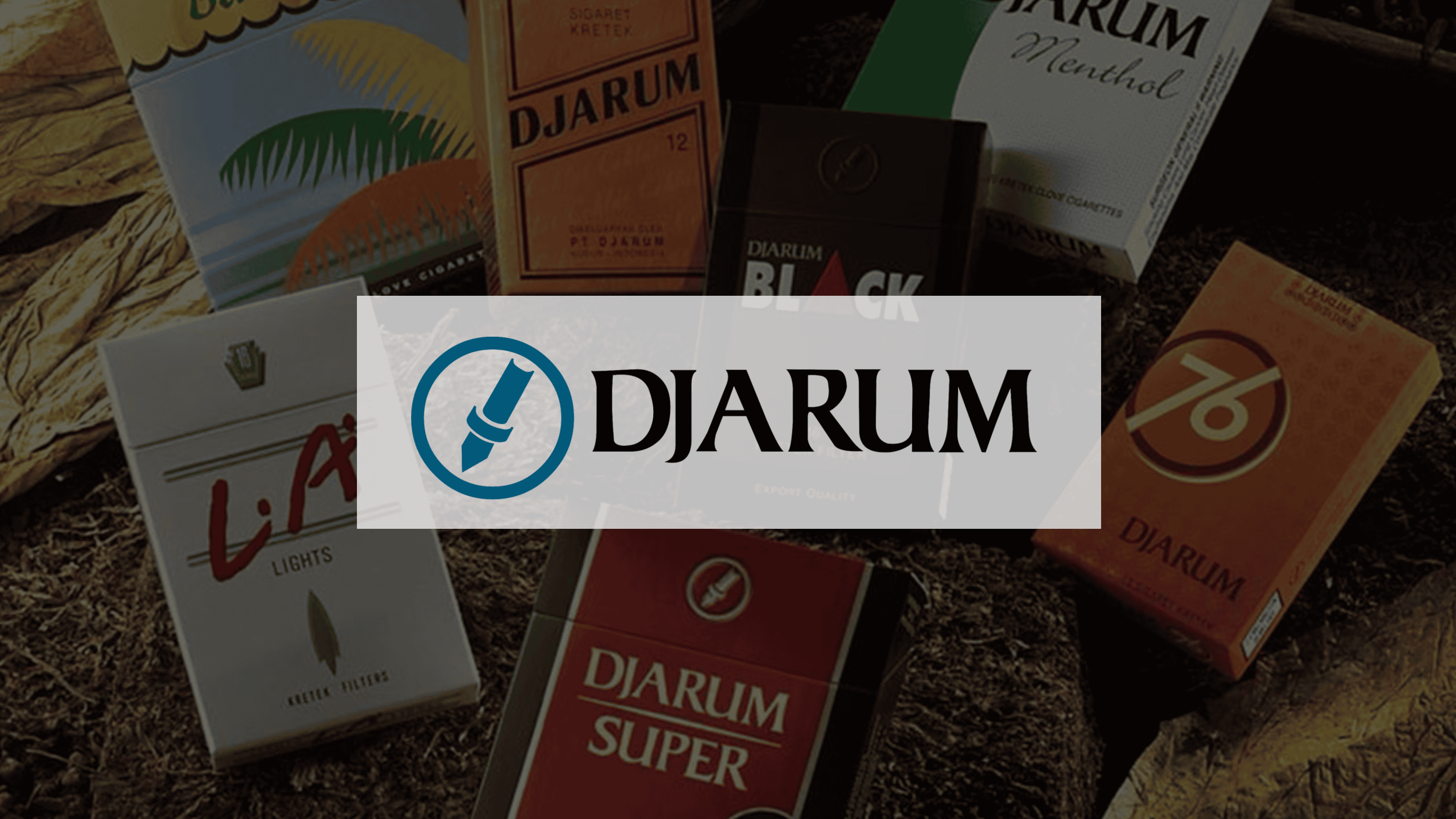
Table of Contents
Djarum Group stands as one of Indonesia’s most successful and diversified conglomerates. While its legacy is deeply rooted in the tobacco industry, the group has evolved into a multi-sector giant with a dominant presence in banking, digital technology, and luxury real estate.Today, the Djarum Group is not just a symbol of industrial success; it is a primary driver of Indonesia’s modern economy.
The story of the Djarum Group began in 1951 when Oei Wie Gwan purchased a small cigarette company in Kudus, Central Java, and rebranded it as “Djarum” (meaning needle).The journey was not without challenges. In 1963, a massive fire destroyed the factory, followed shortly by the passing of the founder. However, his sons, Michael and Budi Hartono, took the helm, modernizing production and steering the company toward aggressive diversification. This resilience eventually made the Hartono family the wealthiest in Indonesia for over a decade.
The Djarum Group’s strength lies in its strategic ecosystem. Here are the primary sectors where the group holds a dominant market share:
As the foundation of the empire, PT Djarum remains a global leader in kretek (clove cigarettes). Brands like Djarum Super and L.A. Lights are household names in Indonesia and are exported to international markets.
In 1998, amidst the Asian Financial Crisis, the group made a visionary move by acquiring Bank Central Asia (BCA). Today, BCA is the largest private bank in Indonesia and serves as the group’s “economic engine,” pioneering digital banking in Southeast Asia.
Founded in 1975, Polytron is a domestic pride. It successfully competes with global brands in the home appliance market, producing televisions, refrigerators, and air conditioners.
Recognizing the future of tech, Djarum Group launched [suspicious link removed] and acquired stakes in various digital platforms through its venture arm, GDP Venture. This includes investments in telecommunications infrastructure via Sarana Menara Nusantara (TOWR).
The group’s footprint is visible in Jakarta’s skyline through Grand Indonesia, one of the largest premium shopping malls in Asia, and luxury hotel chains like Padma Hotels.
The Djarum Group has expanded its influence far beyond Indonesian borders:
International Sports: The group acquired the Italian football club Como 1907, bridging Indonesian capital with European football.
With a workforce of over 60,000 employees, the group significantly impacts Indonesia’s GDP. However, as it grows, the Djarum Group also faces scrutiny regarding:
Labor Practices: Managing a massive workforce across various industries.
The group’s ability to adapt to modern Corporate Social Responsibility (CSR) and ESG (Environmental, Social, and Governance) standards will be key to its future sustainability.
The Djarum Group is one of Indonesia’s most influential conglomerates, with a business empire that spans across multiple strategic industries. Originally rooted in the tobacco sector, the group has successfully leveraged its capital to secure a dominant position in finance (Bank Central Asia), property development (Grand Indonesia), and electronics manufacturing (Polytron).
Given its massive scale, Djarum Group plays a vital role in Indonesia’s economic, political, and social spheres. However, as the company expands, it also faces growing scrutiny regarding labor practices and environmental impact. The group’s ability to adapt to modern Corporate Social Responsibility (CSR) standards will be a significant factor in its future trajectory.
Q1:Who owns the Djarum Group?
A1:The group is owned by the Hartono Family, specifically brothers Budi and Michael Hartono.
Q2:Is Djarum Group only a cigarette company?
A2:No. While it started with tobacco (PT Djarum), it is now a diversified conglomerate with major holdings in banking (BCA), electronics (Polytron), and e-commerce (Blibli).
Q3:What is the connection between Djarum and PB Djarum?
A3:PB Djarum is a prestigious badminton club founded by the group in 1974. It has produced world-class athletes and Olympic champions for Indonesia.
Q4:Does Djarum Group own Alfamart?
A4:The group holds a significant stake in PT Sumber Alfaria Trijaya Tbk, the operator of Alfamart convenience stores.
Celebrating 10 years of excellence, Timedoor is your trusted partner for navigating the Indonesian business landscape. We specialize in:
System Development: Innovative digital solutions tailored to your needs.
IT Education: Empowering the next generation of tech talent.
Japanese Language & Human Resources: Specialized training and placement services.
Market Entry Support: Helping your business thrive and expand in Indonesia.

some other blog posts you might be interested in

