April 25, 2025 • Berita • by Reina Ohno
Japan’s Agricultural Labor Shortage and the Role of Foreign Workers
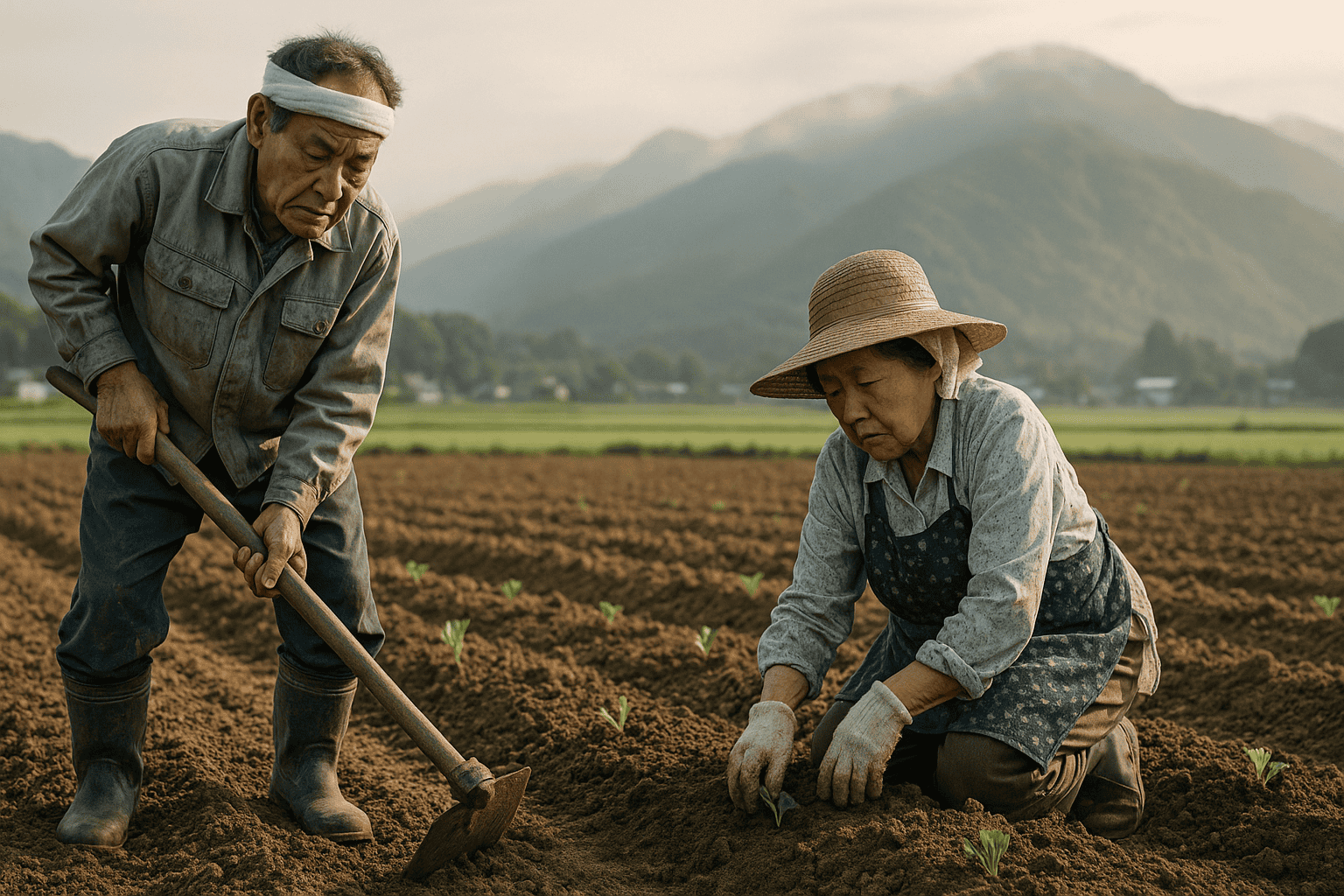
Table of Contents
Japanese agriculture is facing a growing labor shortage due to an aging population and harsh working conditions. Over the past 20 years, the number of core farmers has halved, with the average age approaching 70. Difficulties in recruiting and retaining workers are intensifying, impacting production, crop quality, and local economies. This article examines the current state of Japan’s agricultural labor shortage, its underlying causes, the challenges arising in the field, and potential solutions such as utilizing foreign workers through technical intern programs and specific skilled visas, as well as labor-saving measures through smart farming.
Japan’s Agricultural Labor Shortage and Its Background
1. Declining Workforce Due to Aging Population
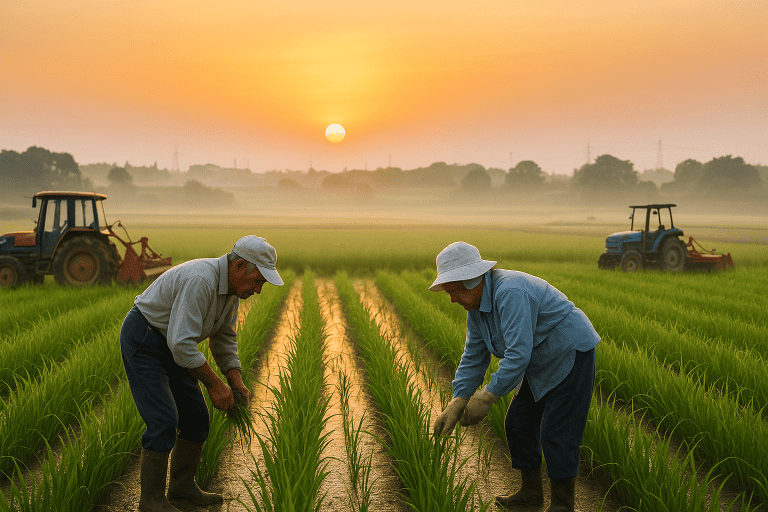
Japanese agriculture faces a serious labor shortage due to an aging population and declining birthrate. The number of core farmers—those working full-time—fell from 2.4 million in 2000 to 1.16 million in 2023. The average age is nearly 69, with most farmers over 70. Workers under 60 make up only about 20%. Over the next 10–20 years, the workforce is expected to decline further.
2. Industry Factors: Hard Work and Low Wages
Agriculture is often seen as a 3K job—Hard, Dirty, Dangerous. Labor under the summer heat, livestock management, and early or late shifts deter many workers. Many farms are small, family-run businesses, so incomes remain relatively low. Seasonal fluctuations make it difficult to earn a stable salary, discouraging young workers.
3. Changing Preferences and Demand Gaps
IT and remote jobs are increasingly popular, while field-based and local agriculture is seen as inflexible. Psychological and economic barriers make it hard for young urban residents to move to farming areas. As a result, agricultural jobs often get few applicants, and early turnover is high, creating a vicious cycle.
4. Regional Differences
The job-to-applicant ratio in agriculture can exceed 2, much higher than the national average of 1.33. In Wakayama, it reached 2.22. Rural areas like Hokkaido and Kyushu continue to face serious recruitment challenges.
5. Impact of COVID-19 and Foreign Workers
Entry restrictions in 2020–2021 sharply reduced foreign agricultural workers. By 2023, the number recovered to around 54,000, including 28,000 with specific skilled visas (June 2024). Foreign workers currently make up 2.8% of the sector, but the government plans to raise the quota to 78,000, making them a key solution to labor shortages.
Challenges Faced by Japan’s Agricultural Sector

Amid a growing labor shortage in Japanese agriculture, many farms and agricultural companies face real problems on the ground. Key challenges include:
1. Recruitment Difficulty and Low Retention
-
Many farms struggle to attract applicants, especially since farms are often far from urban areas.
-
Agriculture has a less attractive image and working conditions compared to other industries, making it hard to appeal to young workers.
-
High turnover: new workers often quit within months due to tough work, few holidays, or inconvenient living conditions.
-
High reliance on part-time and seasonal workers hinders relationship building and long-term retention.
-
Knowledge and experience of veteran workers is often lost because there isn’t enough time or resources to train the next generation.
2. Rising Labor Costs and Financial Pressure
-
Costs for recruitment ads and placement agencies are rising. Many companies must increase wages to retain staff.
-
Rising prices for farm inputs and fuel further strain finances.
-
Crop prices are market-driven, so it’s difficult to pass costs to consumers, squeezing profit margins.
-
Small-scale farms and rural areas are particularly vulnerable, worsening the labor shortage.
3. Increased Workload and Health Risks
-
Labor shortages mean existing employees must take on more work.
-
Working in extreme weather raises the risk of injuries, heatstroke, and fatigue.
-
High workload affects harvest schedules, crop quality, and productivity.
-
Long working hours and limited holidays accelerate young worker turnover and may create legal risks if labor laws are violated.
4. Challenges in Employing Foreign Workers
-
Many farms rely on foreign labor via specific skilled visas (tokutei ginou).
-
Main challenges: language barriers, cultural differences, and social isolation.
-
Seasonal work and remote locations make it difficult to provide housing, transportation, and life support.
-
Administrative procedures for visas and internships are complex and costly, especially for small farms.
-
Competition for foreign workers is increasing, requiring systems to develop them as long-term employees rather than temporary help.
Impact of Agricultural Labor Shortages on Production, Quality, and Logistics
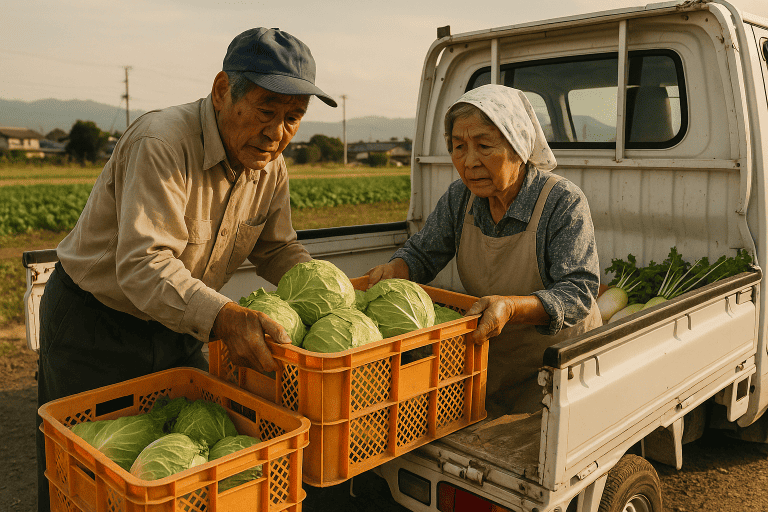
Labor shortages in Japanese agriculture affect not only farmers but also production, crop quality, distribution, and local economies. Key impacts include:
1. Reduced Production and Harvest Delays
-
Labor shortages lead to delays in planting and harvesting, reducing overall production.
-
Without sufficient workers during peak harvest, crops can overripen or spoil, causing significant losses.
-
Some farmers reduce farm size or stop certain crops, decreasing regional output.
-
Crops that require manual harvesting are particularly vulnerable to losses due to labor shortages.
2. Declining Quality and Product Variation
-
Lack of labor makes careful crop management and post-harvest sorting difficult.
-
Fruits and vegetables may vary in size or color, and pests or diseases may be detected late, lowering market value.
-
Loss of veteran farmers’ expertise reduces cultivation quality and decision-making.
-
Inconsistent quality can damage brand reputation, lower prices, and reduce farmer income.
3. Distribution and Logistics Disruption
-
Labor shortages also affect packing, transportation, and shipping.
-
Many logistics workers are aging, increasing the risk of delivery delays.
-
In rural areas, farmers often handle deliveries themselves, reducing efficiency.
-
Fresh produce such as fruits and vegetables loses value or spoils if shipments are delayed.
-
These issues are expected to worsen due to truck driver working hour regulations in 2024, potentially destabilizing national distribution.
4. Farm Downsizing, Abandonment, and Regional Collapse
-
Labor shortages force farmers to scale down or exit agriculture.
-
The loss of farmers affects local production, school meals, local markets, and rural economies.
-
Abandoned farmland may cause environmental issues, including landscape degradation, wildlife damage, and infrastructure maintenance problems.
-
Long-term effects threaten national food security and the sustainability of rural communities.
5. Increased Workload and Decreased Worker Motivation
-
Shortages increase individual workload, making early mornings and late nights routine.
-
Physical strain and disrupted routines affect workers’ mental and physical health.
-
High-pressure conditions cause errors, conflicts, and higher turnover.
-
The intrinsic value of agriculture—working with nature and enjoying the results of one’s labor—is often lost under labor shortages.
Key Solutions to Address Labor Shortages in Japanese Agriculture
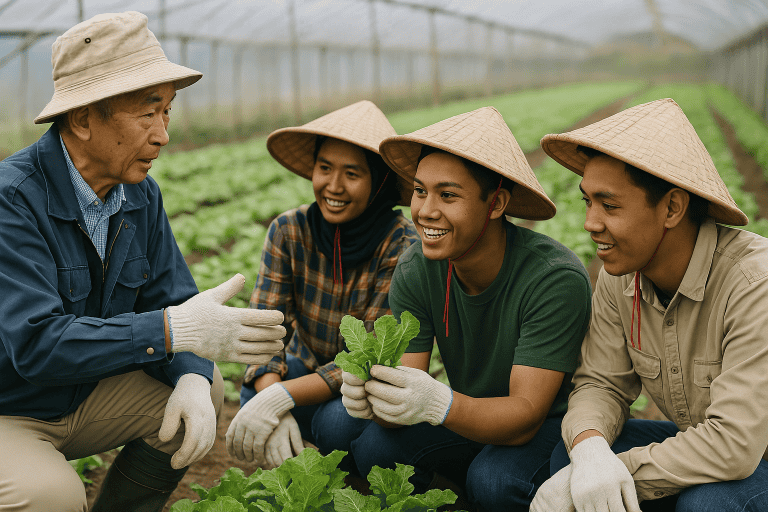
Addressing labor shortages in Japanese agriculture requires a multi-faceted approach, including improving work conditions, utilizing foreign labor, and adopting smart farming technologies. Key strategies include:
1. Initiatives by Farms and Local Communities
Improving work conditions
-
Flexible scheduling and adequate rest for seasonal workers.
-
Dormitories and living facilities to attract young workers and urban migrants.
Wages and benefits enhancement
-
Adjusting wages according to minimum wage increases, along with training programs and permanent employment pathways.
Diverse workforce inclusion
-
Encouraging participation of women, seniors, and part-time workers.
-
Exploring urban remote workers joining agriculture as a new style of farming participation.
Regional collaboration
-
Implementing shared labor, shared machinery, and job matching services through JA or local governments.
2. Government and Local Authority Support
Expanding foreign labor
-
Utilizing Technical Intern Training Program (TITP) and Specified Skilled Worker visas.
-
Providing Japanese language education and living support, creating a sustainable framework for foreign labor integration.
Promoting smart farming
-
Subsidies for autonomous tractors, automated feeding systems, and drones for pest control and fertilization.
-
Particularly crucial in mountainous areas or regions with aging populations.
Supporting new entrants
-
Programs like Chiiki Okoshi Kyoryokutai and new farmer support funds facilitate relocation, technical training, and market access.
Empowering women and seniors
-
Flexible working models allow combining agriculture with family care or part-time work.
3. Utilizing Foreign Labor: Technical Interns & Skilled Workers
-
Farms increasingly rely on foreign workers from Vietnam, Indonesia, etc., who pass Japanese language and agricultural skill tests.
-
Skilled agricultural workers from Indonesia have become key contributors to regional agriculture.
-
Challenges include cultural differences and living arrangements.
-
Solution: collaboration with sending organizations, pre-arrival training, and proper job matching to improve retention rates.
4. Smart Farming and Labor-Saving Technologies
Key innovations:
-
Drones and autonomous vehicles for pest control, fertilization, and field management.
-
Sensors & AI to monitor soil, water, and light conditions, providing crop management guidance.
-
Work management apps to track daily tasks and workforce allocation.
-
ICT training for young staff to operate smart farming technologies.
5. Reskilling and Redeployment of Office Workers
-
AI and automation may reduce some office roles, creating opportunities to redirect talent to regional agriculture.
-
Urban workers with management, IT, and marketing skills can strengthen strategic and operational capabilities on farms.
-
Integrating this workforce positions agriculture as a modern, innovative workplace, boosting productivity.
Conclusion: Addressing Labor Shortages in Japanese Agriculture
Labor shortages in Japanese agriculture are expected to worsen due to an aging population, declining young workforce, harsh work conditions, and urban population concentration.
Although farmers, local governments, and the national government have implemented various measures, no single approach is sufficient. A combined strategy is essential, including:
-
Supporting retention of domestic workers
-
Planned integration of foreign labor
-
Adoption of smart farming technologies
-
Reskilling and redeployment of workers from other industries
The focus must shift from merely “securing labor” to “effectively utilizing labor”, promoting flexible and diverse farm management.
To ensure agriculture remains a sustainable and growing industry, it is crucial to make farming an attractive, inclusive, and accessible career for everyone.
Hire Indonesian Skilled Workers (Tokutei Ginou) with LPK Timedoor

LPK Timedoor is a professional vocational training school located in Denpasar, Bali, Indonesia. We provide Japanese language education, Japanese work culture training, and professional mindset development for Indonesians aiming to work in Japan.
With extensive experience and a strong network, LPK Timedoor supports Japanese companies in recruiting high-quality Indonesian workers for agriculture, fisheries, and other industries under the Tokutei Ginou program.
📍 Address:
Jl. Tukad Yeh Aya IX No.46, Renon, Denpasar, Bali, Indonesia 80226
📞 Phone (direct Japan line): +81 80-2399-8776
📧 Email: [email protected]
🌐 Website: lpktimedoor.com
📸 Instagram: @lpk_timedoor
Contact us today to hire Indonesian workers who are ready to adapt and contribute productively in Japan!
For business in Indonesia, choose Timedoor, celebrating its 10th anniversary.
System development, IT education services, Japanese language education and personnel dispatch services, business expansion support services.

Looking for E-commerce MobileApp for your Retail business? Learn more on APPMU
Glossary of Japanese Agriculture Terms
-
Core Farmers (基幹的農業従事者)
Key members working nearly full-time on family farms. In statistics, also called “regular workers”. -
3K (Kitsui, Kitanai, Kiken – Tough, Dirty, Dangerous)
Term describing physically demanding, dirty, and hazardous jobs, common in agriculture and construction. -
Technical Intern Trainee (技能実習生)
Foreign workers coming to Japan to learn specific skills or techniques. Maximum stay is 5 years, usually returning home afterward. -
Specified Skilled Worker (特定技能 / Tokutei Ginou)
Visa introduced in 2019 allowing foreign workers to work up to 5 years after passing Japanese language and skills exams. Agriculture is one of 14 eligible fields. -
Smart Agriculture (スマート農業)
Farming using ICT, AI, and robotics to improve efficiency and quality. Examples include drones and autonomous tractors. -
Regional Revitalization Volunteers (地域おこし協力隊)
Government program relocating city residents to rural areas to support local revitalization and primary industry. Maximum term: 3 years. -
2024 Logistics Issue (物流の2024年問題)
Concerns over transport shortages and rising costs due to truck drivers’ work-hour restrictions under labor reform. -
Reskilling (リスキリング)
Retraining workers to acquire new skills in response to industry shifts and digitalization. -
Abandoned Farmland (耕作放棄地)
Farmland left uncultivated for over a year with no plans for future use, often due to retirement or aging farmers. -
Agricultural Work Outsourcing (農作業受委託)
System where farmers or external contractors share work to supplement labor during peak seasons.
FAQ – Labor Shortage in Agriculture
Q1. When did labor shortage in agriculture become a serious problem?
A. The shortage of core agricultural workers became visible in the late 2000s. Aging farmers and low interest from younger generations made agriculture workforce shortage a major issue by the mid-2010s. Today, many farms struggle to find reliable full-time workers.
Q2. What are the benefits and challenges of hiring foreign workers?
A. Benefits: Secure ready-to-work staff for farm operations.
Challenges: Require language training, cultural adaptation, daily life support, and visa management. Without a proper onboarding and retention program, foreign workers may leave early.
Q3. Is smart farming too expensive?
A. Equipment like drones, autonomous tractors, and AI sensors require high initial investment. However, government and local subsidies can lower costs. Smart farming improves efficiency, reduces labor costs, and offers medium- to long-term ROI.
Q4. How can we attract more new farmers?
A. Effective strategies include:
-
Housing support and income-guaranteed training.
-
Regional revitalization cooperation programs to attract urban youth to rural areas.
-
Promoting modern IT-based farming to highlight innovative and rewarding career opportunities.
Q5. What happens if farm abandonment continues?
A. Abandoned farmland leads to landscape damage, wildlife problems, and higher infrastructure costs. Local economies weaken, and national food self-sufficiency declines. Immediate action is required to prevent collapse of local agriculture.
Q6. Are professionals from other industries entering agriculture?
A. Yes. IT and service industry professionals are moving into agriculture after reskilling. Their expertise in data, marketing, and office management helps modernize farms and improve productivity.


