April 12, 2025 • Knowledge, Business • by Reina Ohno
Hiring Indonesian Drivers: A Guide to the “Specified Skilled Worker” Program in Japan’s Logistics Industry

Table of Contents
The Japanese automotive transport industry is facing a chronic labor shortage. Especially in rural areas and small-to-medium-sized transport companies where the aging population is most evident, the recruitment of foreign talent is accelerating. Among the various options, the utilization of Indonesian drivers under the “Specified Skilled Worker (SSW) – Automotive Transport” visa is gaining significant attention.
In this article, we provide a comprehensive guide to the SSW program, recruitment methods, cultural considerations, salary expectations, and the unique characteristics of Indonesian workers.

What is the Specified Skilled Worker (SSW) for Automotive Transport?
The Specified Skilled Worker (SSW) for Automotive Transport was added to the residency status system in 2024 to address the severe driver shortage in Japan. This allows foreign nationals with specific driving skills and safety knowledge to engage in transport operations using trucks and delivery vehicles.
Scope of Work
Foreign workers under this visa can perform the following tasks:
-
General Freight Transport: Long-distance or route delivery using medium and large trucks.
-
Parcel Delivery: Delivery of food, daily necessities, and courier services.
-
Loading/Unloading: Handling cargo using forklifts.
-
Ancillary Tasks: Vehicle inspection, cleaning, and daily reporting.
-
Note: Driving must be the primary duty; purely auxiliary or warehouse tasks are not eligible.
Requirements for Candidates
To obtain this status, candidates must generally:
-
Pass Exams: Successfully complete the Automotive Transport Skills Evaluation Test and a Japanese language test (N4 level or JFT-Basic).
-
Technical Intern Trainees: Those who successfully completed “Technical Intern Training No. 2” in a related field may be exempt from exams.
Characteristics of Indonesian Drivers: Personality and Traits

Indonesian drivers are highly regarded for their cultural background and work ethic.
-
The Spirit of “Gotong Royong”: Indonesians value mutual cooperation. This makes them excellent team players in logistics settings where coordination in loading and reporting is vital.
-
Gentle and Diligent: They tend to be calm, patient, and serious about following safety protocols—essential traits for safe driving.
-
Cultural Considerations (Religious Practices): Most Indonesians are Muslim. Providing small breaks for the five daily prayers or a dedicated space for prayer at the depot ensures a stable and comfortable working environment.
-
Work-Life Balance: They value family. Designing shifts that respect rest intervals and avoid excessive overtime is key to maintaining high motivation.
Current Status: How Many Indonesian Drivers are in Japan?

The number of Indonesian workers in Japan has surged, reaching approximately 169,539 in 2024 (a 39.5% year-on-year increase).
Within the logistics sector:
-
As of 2024, there are roughly 11,000 foreign workers in the Automotive Transport sector.
-
Indonesians account for approximately 3,400 of these drivers, making them one of the top three nationalities alongside Filipinos and Vietnamese.
-
In the Technical Intern Training program for logistics, Indonesians now make up 18% of the total workforce.
Salary and Costs: What to Expect
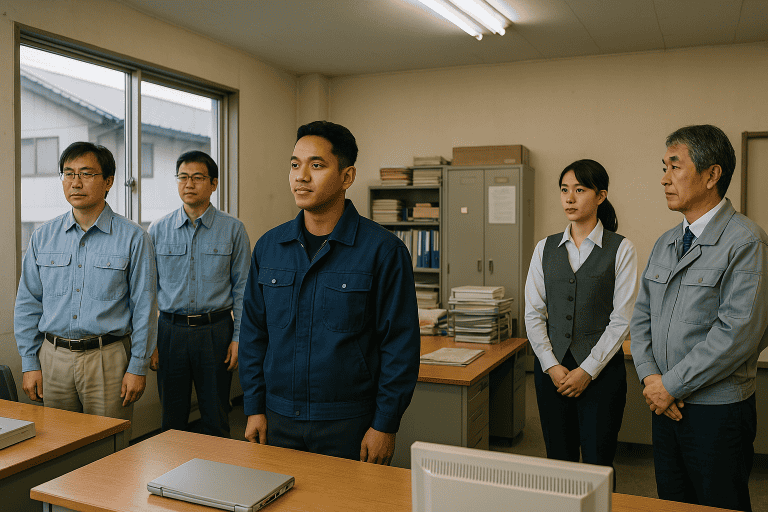
By law, foreign drivers must be paid a salary equal to or higher than their Japanese counterparts.
Average Salary Estimates
-
Technical Interns: Approx. ¥177,800/month.
-
Specified Skilled Workers: Approx. ¥205,700/month.
-
Note: Actual wages vary based on location, distance driven, and experience.
Initial and Ongoing Costs
-
Recruitment Fees: ¥200,000 – ¥400,000 (Agency fees).
-
Visa & Administrative: Approx. ¥100,000.
-
Support Fees (SSW Type 1): If outsourced to a Registered Support Organization, expect ¥20,000 – ¥40,000/month.
Key Considerations for Hiring Indonesian Drivers

Success in hiring Indonesian talent lies in understanding the cultural nuances and technical requirements of the Japanese transport industry. Here are the critical factors to consider:
1. Adaptation to Traffic Rules and Manners
Traffic regulations, road infrastructure, and driving etiquette in Indonesia differ significantly from Japan.
-
Early Education: It is vital to provide thorough safety training during the initial phase of employment.
-
Punctuality: Since the trucking industry demands strict adherence to schedules, implementing a step-by-step guidance system for time management and driving ethics is highly effective.
2. Obtaining a Japanese Driving License
Indonesian licenses are not valid for driving in Japan.
-
License Conversion: For the SSW program, candidates must obtain a Japanese semi-medium, medium, or large-sized license.
-
Company Support: Providing subsidies for driving school fees or offering exam preparation courses is a great way to ensure a smooth start to their employment.
3. Cultural and Religious Understanding
Understanding the Indonesian worldview will lead to better retention and a more stable workplace.
-
Religious Practices: About 85% of Indonesians are Muslim. Providing short breaks for the five daily prayers and being flexible during the month of Ramadan (fasting month) is highly recommended.
-
Feedback Methods: Indonesians are sensitive to public criticism. To build a strong bond of trust, offer guidance or corrections privately and respectfully rather than in front of others.
-
Communication Style: They value workplace relationships and teamwork. Encouraging the Ho-Ren-So (Report-Contact-Consult) culture through friendly communication will improve operational efficiency.
Recruitment Routes for the Automotive Transport Sector
There are three primary legal pathways to hire Indonesian talent for transport and logistics:
1. Specified Skilled Worker (SSW) – Automotive Transport
This is for candidates who have passed both the skills evaluation and Japanese language tests.
-
Duration: Up to 5 years of employment.
-
Benefit: Immediate work readiness with support from a Registered Support Organization (RSO).
2. Technical Intern Training Program (TITP)
Interns spend 3 to 5 years learning skills through practical work in delivery assistance or logistics.
-
Transition: After completing the internship, they can transition to the SSW visa to continue working long-term.
3. Specialized Visa (Engineer/Humanities/International Services)
This is for graduates of universities or vocational schools majoring in logistics, vehicle maintenance, or operations management.
-
Roles: Suitable for higher-level positions such as operation managers, safety instructors, or technical supervisors.
Final Summary: Building a Sustainable Logistics Future
Japan’s automotive transport industry is at a turning point. The chronic driver shortage and aging workforce make the integration of foreign talent—particularly from Indonesia—no longer just an option, but a necessity.
The Specified Skilled Worker (SSW) program offers a fast track to hiring work-ready professionals. While there are costs and cultural differences to manage, the investment pays off through the acquisition of diligent, serious, and cooperative staff who can support your logistics network for years to come.
We hope this guide provides the practical, financial, and cultural insights you need to embark on a successful recruitment journey.
Hire Top-Tier Indonesian Talent with LPK Timedoor
Ready to solve your driver shortage? LPK Timedoor, based in Denpasar, Bali, is your bridge to highly skilled Indonesian professionals. We don’t just teach language; we shape the mindset needed to excel in Japan.
Your Partner for Indonesian Specified Skilled Workers: LPK Timedoor
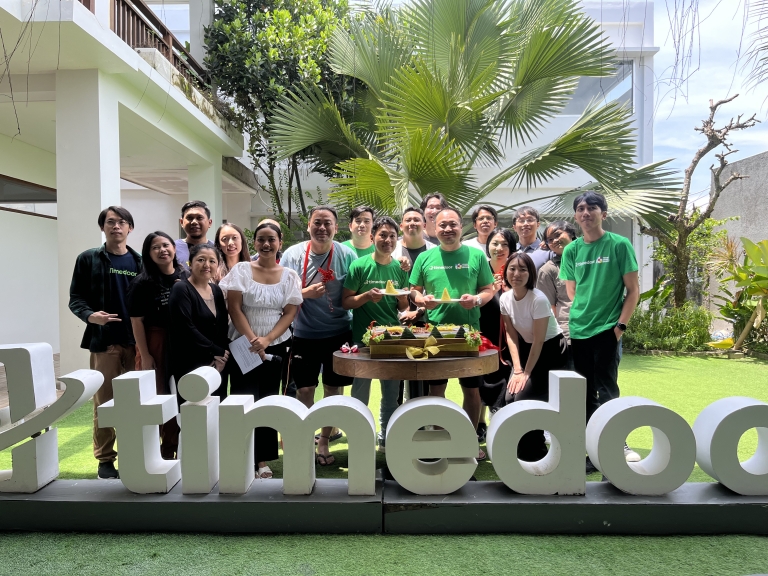
LPK Timedoor is a leading vocational training center based in Denpasar, Bali. We specialize in preparing Indonesian talent for the Japanese workforce by providing a rigorous environment to master the Japanese language, understand cultural nuances, and develop a professional work mindset.
About Timedoor Group
With over 10 years of experience doing business in Indonesia, Timedoor is a trusted name across multiple sectors:
-
Human Resources: Language education and overseas job placement (Sending Organization).
-
IT & Digital: System development and IT education.
-
Business Support: Support for companies expanding into the Indonesian market.
Contact Us Today
Whether you are looking to solve your driver shortage or seeking a reliable partner in Indonesia, we are here to help.
-
Address: Jl. Tukad Yeh Aya IX No.46, Renon, Denpasar, Bali, Indonesia 80226
-
Phone (Direct to Japanese Support): +81 80-2399-8776
-
Email: [email protected]
-
Website: lpktimedoor.com
-
Instagram: @lpk_timedoor