July 2, 2024 • Berita • by Reina Ohno
Why Indonesian Workers Choose to Work in Japan: Skilled Interns, Specified Skills, and Domestic Factors Explained
Table of Contents
Introduction

Hello! We are Timedoor, an IT company based in Bali, Indonesia, specializing not only in technology but also in training and connecting Indonesian talent who want to work in Japan.
In recent years, Japan has seen a growing number of foreign workers coming from overseas, with Indonesia being one of the main contributors. Conversely, more young Japanese people are seeking opportunities abroad to learn English, experience life overseas, and earn money, often choosing countries like Australia or Canada.
In Indonesia, there is a strong culture of working abroad, even more so than in Japan. But why has this culture developed? In this article, we will explore the reasons Indonesian workers choose Japan, including programs like technical internships and specified skilled worker visas, as well as the domestic factors that influence this trend.
Number of Indonesian Workers Abroad
Millions of Indonesians go abroad for work every year. In 2020, about 3.5 million Indonesians were reported to be working overseas.
The most popular countries are Malaysia, Saudi Arabia, Hong Kong, Taiwan, Singapore, South Korea, and the UAE.
For example, around 1 million Indonesians work in Malaysia. In Saudi Arabia, a country with a large Muslim population, about 600,000 Indonesians work there. This matches Indonesia’s majority religion, Islam.
These numbers show a clear trend: many Indonesians choose to work abroad for better job opportunities and income.
How Many Indonesian Workers Are in Japan?

Compared to ten years ago, you can see more foreigners in Japan today, especially in urban areas. Among them, there are many Indonesian workers.
People come to Japan for various reasons, but the main one is higher salaries. On average, workers in Japan earn around ¥300,000 to ¥350,000 per month, while the average monthly salary in Indonesia is about ¥28,000 to ¥35,000. This shows that the pay in Japan can be nearly ten times higher than in Indonesia.
There are several types of visas for working in Japan, but most Indonesian workers use the following:
Technical Intern Trainees
Japan hosts a large number of Indonesian technical intern trainees. According to 2019 data, about 40,000 Indonesians were working in Japan under this program, and the number continues to grow every year.
Part-Time Jobs for Students
Many Indonesian students study in Japan while working part-time to cover living expenses. In 2019, around 7,000 Indonesian students were living in Japan, most of whom had part-time jobs.
However, there is a 28-hour per week work limit, and some students work beyond this limit.
Specified Skilled Workers
In 2019, Japan introduced a new visa category called Specified Skilled Worker. This program has further increased the number of Indonesian workers in Japan. By 2020, thousands of Indonesians were estimated to be working under this visa.
At Timedoor, we support Indonesians who want to work under the Specified Skilled Worker program. We provide Japanese language training, career education, and assistance for placement in Japan.
Benefits to the Indonesian Economy

Money sent home by Indonesian migrant workers is a vital source of income for Indonesia’s economy. In 2020, total remittances from abroad reached approximately $11 billion USD (around ¥1.2 trillion).
These funds are mainly used for family living expenses, education, and medical costs, and they also help support local infrastructure projects and small businesses.
Average Salaries in Indonesia
National Average
The average monthly salary in Indonesia is about IDR 4,000,000–5,000,000 (roughly ¥28,000–35,000).
Average Salary by City
-
Jakarta (Capital): IDR 7,500,000–8,000,000 (¥52,500–56,000)
-
Surabaya (East Java): IDR 4,500,000–5,000,000 (¥31,500–35,000)
-
Bandung (West Java): IDR 4,000,000–4,500,000 (¥28,000–31,500)
-
Bali (Tourism-focused): IDR 3,500,000–4,000,000 (¥24,500–28,000)
Average Salary by Industry
-
Manufacturing: IDR 4,500,000 (¥31,500)
-
Services: IDR 4,000,000 (¥28,000)
-
IT & Technology: IDR 7,000,000 (¥49,000)
-
Finance & Insurance: IDR 8,000,000 (¥56,000)
Minimum Wage
Minimum wages vary by region. In 2022, the national average was about IDR 2,500,000 (¥17,500). In Jakarta, the minimum wage was IDR 4,416,186 (¥31,000).
Understanding “Tanggal Tua”
In Indonesia, there is a term called “Tanggal Tua”, which literally means “old day.” In daily life, it refers to the end of the month when money runs out before the next salary arrives.
During this period, savings can be nearly zero. Unlike Japan, where people usually have savings, Indonesians often borrow from friends or relatives if they need emergency cash.
Salary Standards by Education and Experience
-
Higher education: University graduates often earn higher salaries, sometimes over IDR 8,000,000 (¥56,000) per month.
-
Limited job opportunities: Despite a growing population, even graduates may face limited employment options.
-
Work experience: Experienced workers earn more. Those with over 10 years of experience can make IDR 10,000,000 (¥70,000) per month or more.
What Types of Jobs Do Indonesians Do Abroad?

Household Workers (Maids, Babysitters, etc.)
Around 70% of Indonesian migrant workers abroad work as household workers, such as maids, nannies, or babysitters. These jobs are relatively accessible for women and workers with lower education levels, which explains their popularity.
Construction and Manufacturing
Many Indonesians also work in construction and manufacturing industries, especially in the Middle East and East Asia. These jobs often attract workers who are looking for higher salaries and stable employment opportunities abroad.
Issues Faced by Indonesian Workers Abroad

The International Labour Organization (ILO) and other NGOs report that Indonesian migrant workers often face unfair working conditions and human rights violations.
For example, there have been numerous reports of labor rights abuses in countries such as Saudi Arabia and Malaysia.
Recently, a case in Germany gained attention, where Indonesian students working as interns experienced problems. According to reports, 1,047 students from 33 Indonesian universities were affected while doing Ferienjobs (short-term student work programs).
To address these issues, the Indonesian government works to protect workers’ rights by signing bilateral agreements with host countries. They also strengthen skills training and educational programs for migrant workers before they go abroad.
Economic Dependence and Risks

Regions that rely heavily on remittances from overseas workers are vulnerable to global economic fluctuations. For example, changes in oil prices or the economic conditions of host countries can make the employment of Indonesian migrant workers unstable.
To address this, the Indonesian government is promoting infrastructure investment and industrial diversification. The goal is to create more domestic job opportunities, so people can earn a stable income without going abroad.
In the past, many Indonesian workers lost their jobs temporarily or permanently during the COVID-19 pandemic due to travel restrictions and international flight limitations. This caused a significant number of workers to lose their main source of income.
Although creating domestic employment is a priority, job opportunities in Indonesia remain limited, which is why many Indonesians continue to seek work overseas.
Timedoor’s Workforce Development
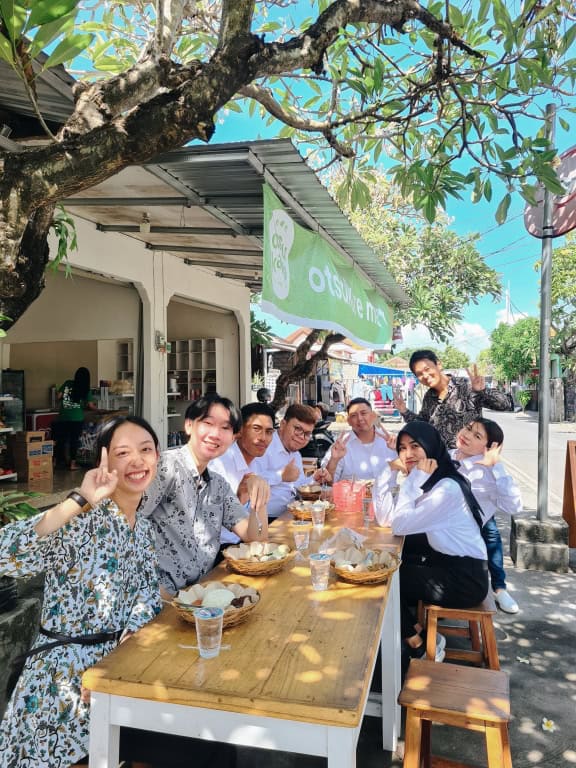
At Timedoor, we currently focus on training Indonesian workers for the Specified Skilled Worker program in the food service sector, and we plan to expand into the IT engineering field in the future.
The Specified Skilled Worker visa allows employment in 12 sectors where Japan faces a labor shortage. Currently, Vietnamese workers make up the largest share, followed by Indonesians, who are increasingly gaining attention due to their large population and youthful workforce, making Indonesia the “Next Vietnam.”
While Indonesian workers already have many opportunities in primary industries under the Technical Intern Training program, sectors such as hospitality, food service, and accommodation are not included. As a result, there are few Japanese language schools in Indonesia that specialize in hospitality training.
Timedoor is taking on the challenge of developing skilled workers specifically for the hospitality sector, preparing Indonesian talent to meet Japan’s growing labor needs.
We continue to connect Indonesians with job opportunities in Japan. If you are interested in working in Japan, feel free to contact us!

Looking for E-commerce MobileApp for your Retail business? Learn more on APPMU


